



The last decade has seen an accelerated evolution and widespread adoption of robotic technology around the globe. Today, robots are used in almost every field. According to a report by Forrester, robots were expected to eliminate 6% of all jobs in the United States by 2021. An assessment by McKinsey indicates that by 2030, nearly one-third of jobs in the U.S. could be automated. This article will take a closer look at the true potential of robotics and how they can be beneficial across various fields.
What Are Robots?
Robots are automated machines that are built to replace human effort. They can execute specific complex tasks with a high degree of precision and speed with minimal or no human intervention.
What are the main components of a robot?
1. Central Processing Unit
The Central Processing Unit (CPU) can be described as the brain of a robot. It receives external stimuli through sensors, processes the data, and generates appropriate responses.
2. Sensors
These act as the eyes, nose, and ears of a robot, receiving input from the surroundings and converting it into electrical signals for processing by the CPU.
Some common sensors used in robots include:
- Sound sensor
- Light sensor
- Pressure sensor
- Temperature sensor
- Position sensor
- Distance sensor
- Contact sensor
3. Actuators
These components are responsible for enabling movement in a robot. They are attached to the main unit and convert energy into physical motion. This includes:
- Electric actuators: Use electric current to facilitate movement
- Hydraulic actuators: Use fluid (oil) pressure to enable movement
- Pneumatic actuators: Use compressed air to generate movement
4. End Effectors
These are the tools that perform the actual work carried out by a robot. Examples include manipulators, grippers, welding torches, and similar tools.
5. Power Supply
Stationary robots receive power directly from a power source, similar to other electronic devices. Mobile robots, on the other hand, use high-capacity batteries to store energy for extended operation.
6. Program
A program is a set of instructions that a computer executes to perform specific tasks. A programmer writes the source code, which is then converted into machine code by a compiler so that the CPU can understand and execute it.
Types of Robots
Robots vary widely in their design, degree of autonomy, and functionality. In general, there are five different types of robots.
1) Pre-programmed Robots
Pre-programmed robots are designed to perform simple, repetitive tasks and often operate in controlled environments.
In recent years, the automobile industry has been significantly transformed through the use of robotic arms. These robotic systems are often large and powerful enough to handle entire vehicles with ease.
They are designed to perform simple functions such as inserting specific machine parts, welding components, and other repetitive assembly tasks.
2) Humanoid Robots
As the name suggests, humanoid robots are designed to imitate human behaviour and expressions. For example, they may perform activities such as carrying objects, running, and jumping. Two well-known humanoid robots are Boston Dynamics’ Atlas and Hanson Robotics’ Sophia.
3) Autonomous Robots
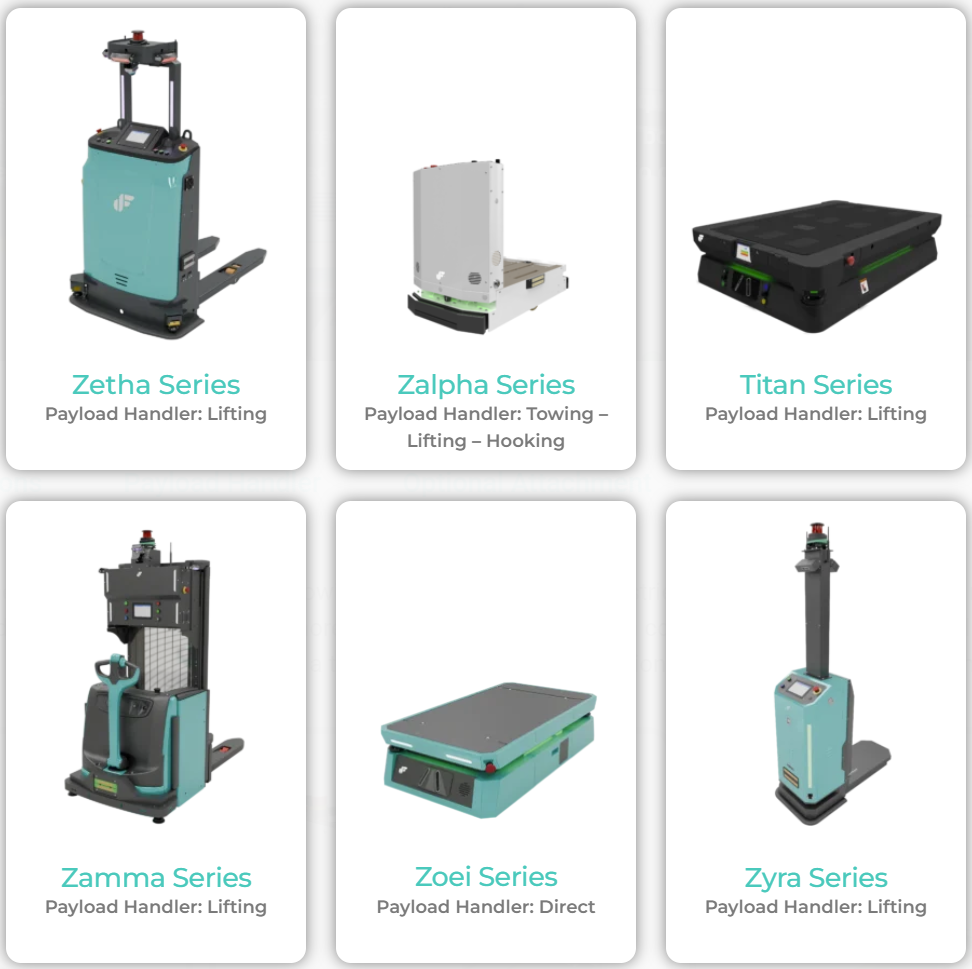
Autonomous robots are capable of operating independently without human intervention. Autonomous mobile robots, in particular, can navigate their environment on their own. These robots come in different forms, such as ground-based robots, underwater robots, and flying drones.
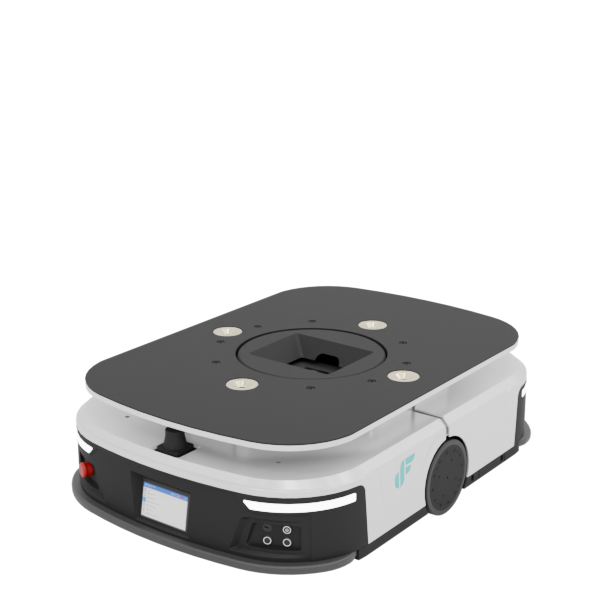
Currently, their use is often limited to controlled environments such as shopping malls, railway stations, warehouses, and factory floors. However, as technology advances, autonomous robots are expected to operate in broader environments such as streets and research centres. The key feature of autonomous robotics is their ability to use sensors to perceive the environment and make decisions based on sensory input. Examples include hospitality robots, lawn-trimming robots, medical assistant robots, and automated guided vehicles (AGVs).
4. Augmenting Robots
These robots are designed to either replace capabilities that humans have lost or enhance existing human abilities. A common example of an augmenting robot is a prosthetic limb. Modern prosthetic limbs are advanced electronic devices that can interpret and respond to nerve impulses sent by the user’s brain. For instance, some prosthetic arms can be connected to muscles in the chest, allowing muscle movements to control specific arm actions. The field of augmenting robotics is evolving at a rapid pace, bringing concepts that once belonged to science fiction closer to reality.
5. Teleoperated Robots
Teleoperated robots are used in environments that are too dangerous, harsh, uncomfortable, or repetitive for humans to operate in directly. These include applications such as microsurgery, underwater exploration, oil mining, and inspection of nuclear hazards.
What is Robotics?
Robotics is a branch of engineering that involves the conception, design, testing, and manufacturing of robots. It is a multidisciplinary field that integrates artificial intelligence (AI), computer science, electronics, bioengineering, mechatronics, and nanotechnology. Robotics engineering and automation focus on the use of information technologies and control systems to develop intelligent and efficient robotic solutions. Specialising in robotics engineering opens up diverse career opportunities in fields such as research, manufacturing, mining, agriculture, power plant maintenance, and many others.
A Short History if Robots
The story of robots begins not in factories, but in imagination. In the 1940s, science fiction writer Isaac Asimov introduced the term robotics and proposed the Three Laws of Robotics—ideas that continue to influence how we think about intelligent machines today.
But the concept goes back even further. In 1478, Leonardo da Vinci sketched a self-propelled cart, a design far ahead of its time. Centuries later, Alan Turing laid the foundation for artificial intelligence with the Turing Test, exploring whether machines could think like humans.
The shift from theory to reality came in the 1950s, when George Devol developed the first programmable robotic arm, later commercialised by Joseph Engelberger for industrial use.
From early research robots like Shakey to digital chatbots such as SmarterChild, robotics has rapidly evolved. Today, robots are no longer just concepts—they are essential tools across industries, shaping the way we live and work.
Uses of Robots
1. Healthcare
Robots are increasingly used in healthcare to assist surgeons in performing complex and highly precise procedures, especially in areas of the body that are difficult to access. They are also used in rehabilitation and as advanced prosthetic limbs, helping patients regain mobility and improve quality of life.
2. Security
Robots can support security operations by working alongside human security personnel. Equipped with sensors and real-time data processing, they can help monitor environments, detect suspicious activity, and enhance overall safety in areas such as public spaces, commercial buildings, and private facilities.
3. Deep Space Exploration
Space agencies like NASA use autonomous robots to explore environments that are too dangerous or inaccessible for humans. For example, the Mars Rover is a robotic vehicle designed to travel across the surface of Mars, collecting valuable scientific data and images.
4. Military Applications
Robots play an important role in defence and military operations. They can be used for surveillance, reconnaissance, and in some cases, remotely operated systems that reduce risk to human soldiers. Unmanned aerial vehicles (drones) are commonly used to monitor areas and gather intelligence.
5. Agriculture
In agriculture, robots help automate repetitive and labour-intensive tasks such as seeding, weeding, and harvesting. For example, solar-powered agricultural robots like Ecobotix use sensors and cameras to identify and remove weeds efficiently, supporting more precise and sustainable farming practices.
6. Logistics and Fleet Management
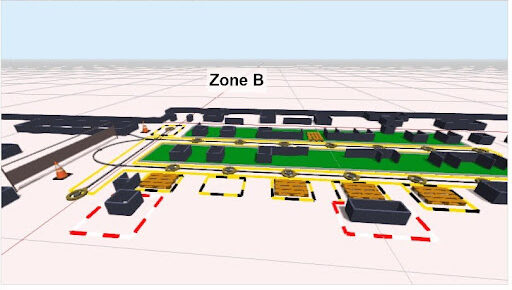
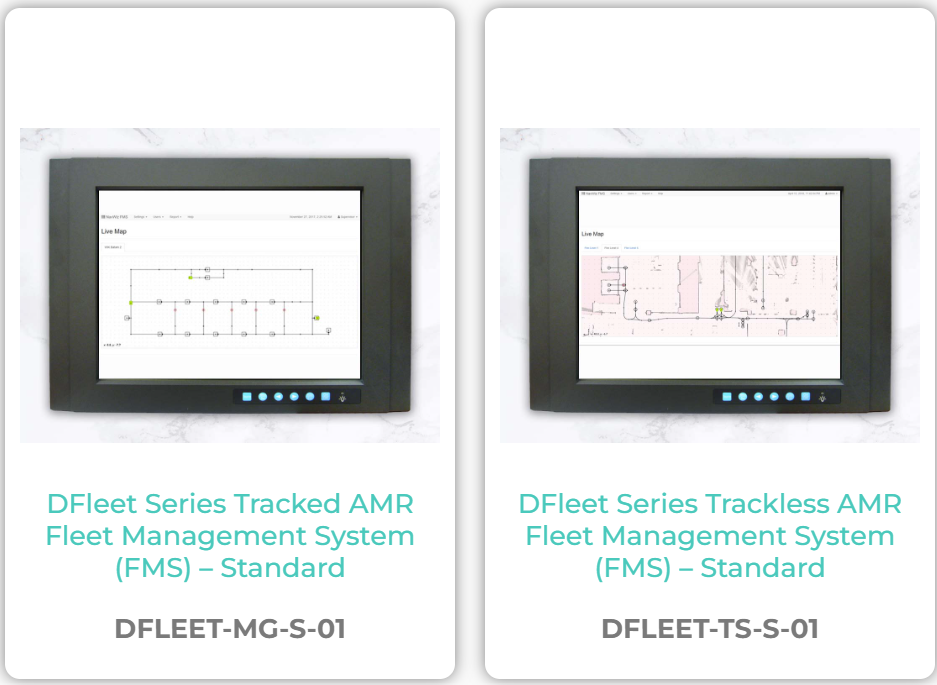
Today’s customers expect fast and efficient deliveries, pushing companies to adopt robotics in logistics and fleet management. Robots are widely used in automated warehousing systems for tasks such as picking items from shelves, transporting goods across facilities, and packing orders for delivery. This helps eCommerce and logistics companies improve speed, accuracy, and overall operational efficiency.
7. Customer Service
Customer service robots are designed to interact directly with people, supporting tasks such as answering queries, providing directions, and assisting with basic services. These robots can be humanoid or non-humanoid in design. For example, the Henn-na Hotel in Nagasaki is well known for using robots to assist guests with check-in and other services.
8. Manufacturing
In manufacturing, robots are commonly used for repetitive and physically demanding tasks such as welding, assembly, and packaging. By handling these routine operations, robots allow human workers to focus on more complex and supervisory roles, improving both productivity and workplace safety.
9. Transportation
With the integration of artificial intelligence, deep learning, and robotics, autonomous vehicles are becoming a reality. Companies such as Tesla, Ford, BMW, and Volkswagen are actively developing self-driving technologies designed to navigate complex traffic conditions with minimal human intervention.
Difference between robotics and AI
It is often believed that Artificial Intelligence (AI) and robotics are the same, but they are actually different technologies. Simply put, robotics is the body, while AI is the brain. Robots are physical machines designed to perform tasks in the real world, and they may or may not include AI. AI, on the other hand, is software-based and can operate on devices such as phones, computers, and cars to process data and make decisions.
When AI is integrated into robotics, the result is an intelligent robot capable of learning, adapting, and performing tasks with minimal human intervention. Chatbots are an example of AI systems that operate without a physical form. Today, advances in sensors, computing power, and deep learning are making robots more connected and capable, especially with technologies like IoT, cloud computing, and analytics. As industries move toward smart manufacturing, robotic systems are becoming more essential in improving efficiency, productivity, and safety.
At DF Automation and Robotics, we provide autonomous mobile robots (AMRs), fleet management systems, and automation solutions designed to support modern industrial needs and improve operational efficiency. If you have any inquiries, feel free to reach us at sales@dfautomation.com. Let’s talk!
DF Automation & Robotics is one of the leading robotics companies in Southeast Asia, specializing in the design and manufacture of Autonomous Mobile Robots (AMRs) for the global automation and robotics industry. The company’s success is driven by its two proprietary AMR software solutions – NavWiz and DFleet – which are utilized across multiple industries. NavWiz serves as the cognitive engine for the robots, enabling seamless autonomous navigation, while DFleet facilitates efficient fleet management and optimizes traffic control in factory environments.
With over 500 robots deployed worldwide, DF Automation & Robotics has successfully expanded its solutions to countries such as Malaysia, Singapore, Thailand, India, Mexico, and various European nations. Visit www.dfautomation.com to learn more.