



Automotive Manufacturing & Autonomous Mobile Robots(AMRs): Intralogistics from Parts Supply to Final Assembly
Automotive manufacturing involves multiple production stages that require timely and accurate material movement. Traditional handling methods often face delays, labour dependency, and congestion. Autonomous Mobile Robots (AMRs) help overcome these challenges by automating material transport, improving coordination, and streamlining intralogistics operations.
This case study highlights three real-world automotive applications where customized autonomous robotic solutions were implemented to streamline material handling, support production continuity, and reduce manual transportation requirements.
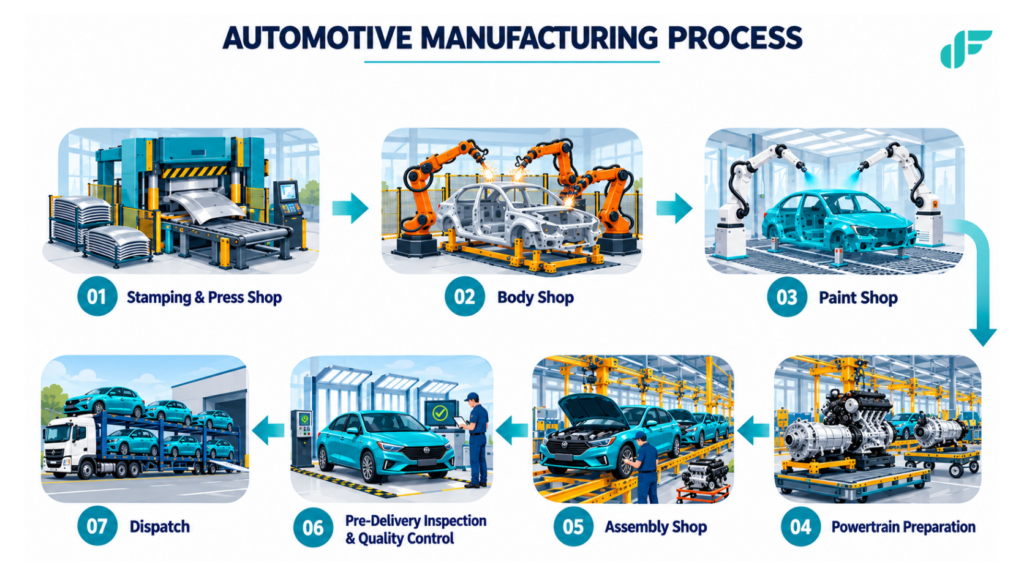
Figure 1 illustrates the automotive manufacturing process flow.
The main body production sequence follows (refer figure 1):
Stamping and Press Shop → Body Shop → Paint Shop → Powertrain Preparation → Assembly Shop → Final Inspection and Quality Control → Dispatch
Engines, transmissions, and other components are prepared separately and supplied to the assembly shop when required. The following sections outline each manufacturing stage and its intralogistics operations.
1. Stamping and Press Shop: Forming Body Panels
Metal sheets are pressed into body panels such as doors, bonnets, roofs, and structural parts. Finished panels undergo quality inspections before being transported to the body shop using suitable material handling equipment.
2. Body Shop: Building the Vehicle Structure
Stamped panels and structural components are welded together to form the body-in-white (BIW). Material handling systems support the movement of panels, components, and subassemblies between welding and production stations.
3. Paint Shop: Protecting and Finishing the Body
The vehicle body undergoes cleaning, surface treatment, painting, and curing before quality inspection. Intralogistics operations support the replenishment of consumables, spare parts, and other materials while maintaining strict cleanliness requirements.
4. Powertrain Preparation: Preparing Mechanical Assemblies
Engines, transmissions, and related components are manufactured or received from suppliers and prepared for installation. These heavy mechanical assemblies are transported using suitable material handling systems to support final assembly.
5. Assembly Shop: Bringing the Vehicle Together
The painted body is fitted with interior components, electrical systems, glass, wheels, suspension, and powertrain assemblies. Efficient intralogistics ensures timely and accurately sequenced delivery of parts and materials to assembly stations.
6. Final Inspection and Quality Control
Completed vehicles undergo safety, functional, and appearance inspections to meet quality standards. Supporting intralogistics operations ensure the availability of inspection equipment, replacement parts, and materials for rework.
7. Dispatch: Preparing Vehicles for Delivery
Approved vehicles are documented and prepared for shipment to dealerships, distribution centres, or export destinations, supported by coordinated material handling and dispatch operations.
CASE 1: Automated Line-Side Material Delivery in Body Shop and Trim Shop
Problem Statement
An automotive manufacturer relied on manual tugger-based transportation to deliver components across more than 20 delivery points. This created several operational challenges:
- Delayed material deliveries: Late or missed deliveries caused line-side shortages and disrupted assembly operations.
- Sequence-critical components: Instrument panels, headliners, sunroofs, windshields, and door sub-assemblies had to arrive in the exact vehicle build sequence.
- Traffic congestion and safety risks: Shared aisles between forklifts, tuggers, and pedestrians created congestion.
- Reduced operator productivity: Operators spent valuable time walking and fetching materials instead of performing assembly tasks.
- Limited traceability: Difficulties tracking material locations and delivery status affected production coordination.
Solution
DF Automation implemented a customized Hooking Module AMR with a 500 kg payload capacity to automate material transportation between supermarkets, sub-assembly areas, and production lines.
The implementation covered 20 Trim Shop lines and 16 Body Shop lines, with 56 robotic units supplied by DF Automation (11 AGVs, 32 AMRs, and 13 OMNI units). A separate collaborative deployment with Renault involved 196 units (158 AMRs and 38 AGVs).
How the Solution Works?
The operator or production line initiates a delivery request through a call button or scheduled request.
The fleet management system assigns the nearest suitable available AMR.
The AMR collects a loaded rack or cart from the supermarket or sub-assembly area.
It autonomously transports the materials to the designated line-side delivery point.
After delivery, the AMR returns empty racks or carts, completing the transportation loop.
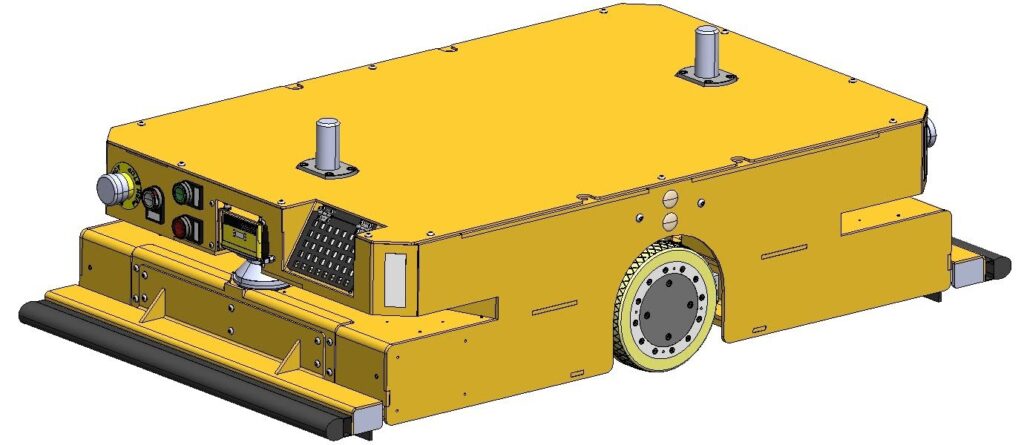
Figure 2 shows the Customized Hooking Module AMR
Operational Benefits: More consistent material replenishment, reduced manual transportation, improved delivery visibility, and better coordination across multiple production lines.
CASE 2: Automated Trolley Transportation Between Production Workstations
Problem Statement
An automotive manufacturing facility depended on manual tugger operators to transport material trolleys between production workstations. The main challenges included:
- Sequence-critical deliveries: Components needed to reach the correct workstations according to the production sequence.
- Manual labour dependency: Transportation relied on tugger operators, increasing repetitive work and potential delays.
- Poor material traceability: Limited visibility into trolley movements made it difficult to monitor delivery status.
Solution
DF Automation supplied one customized Towing Module AMR with a 1,000 kg payload capacity to automate repetitive trolley transportation.
How the Solution Works?
- The operator brings the loaded trolley to the AMR and connects it to the towing module.
- The AMR autonomously transports the trolley to the designated machine or drop-off point.
- The trolley is released at the required destination.
- The AMR continues its configured transportation loop for the next delivery.
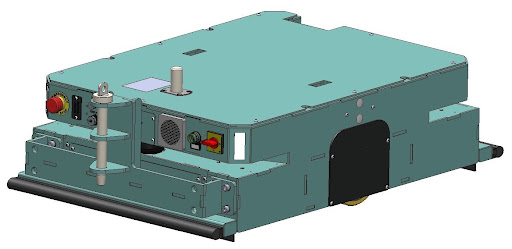
Figure 3 shows Customized Towing Module AMR
Operational Benefits: Reduced reliance on manual tugger operators, more consistent trolley deliveries, improved transportation visibility, and better utilization of production personnel.
CASE 3: Automated CNC Machine-to-Machine Material Handling
Problem Statement
An automotive component manufacturer faced challenges in transporting barrel components between CNC machining stations. The existing process involved repetitive manual loading, unloading, and material transfers across multiple machines.
The key challenges included:
- Machine idle time: Machines remained idle while waiting for operators to load or unload components, particularly during breaks and shift changes.
- Labour-intensive operations: Repetitive handling required skilled operators and created ergonomic concerns.
- Interrupted material flow: Manual transfers between storage areas, CNC machines, and inspection stations caused delays.
- Inconsistent workpiece positioning: Variations in manual loading could affect machining cycle consistency and quality.
Solution
DF Automation supplied five customized Autonomous Robot Vehicles (ARVs), each with a 500 kg payload capacity, to automate material handling across a 12-machine CNC production process. The system coordinates workpiece pickup, transportation, machine loading and unloading, and transfers between machining stations.
How the Solution Works?
- A barrel component arrives at the incoming conveyor, where the ARV collects it at the pickup station.
- The automation software identifies the next required machine based on the machining sequence.
- The ARV autonomously transports the barrel to the assigned CNC machine and docks accurately at the loading position.
- The component is loaded into the machine fixture or chuck, and the machining cycle is initiated.
- Upon completion, the component is unloaded and transferred to the next required machine.
- The process repeats through the required operations across the 12-machine production line.
- Once machining is completed, the finished barrel is transported to the designated downstream output station.
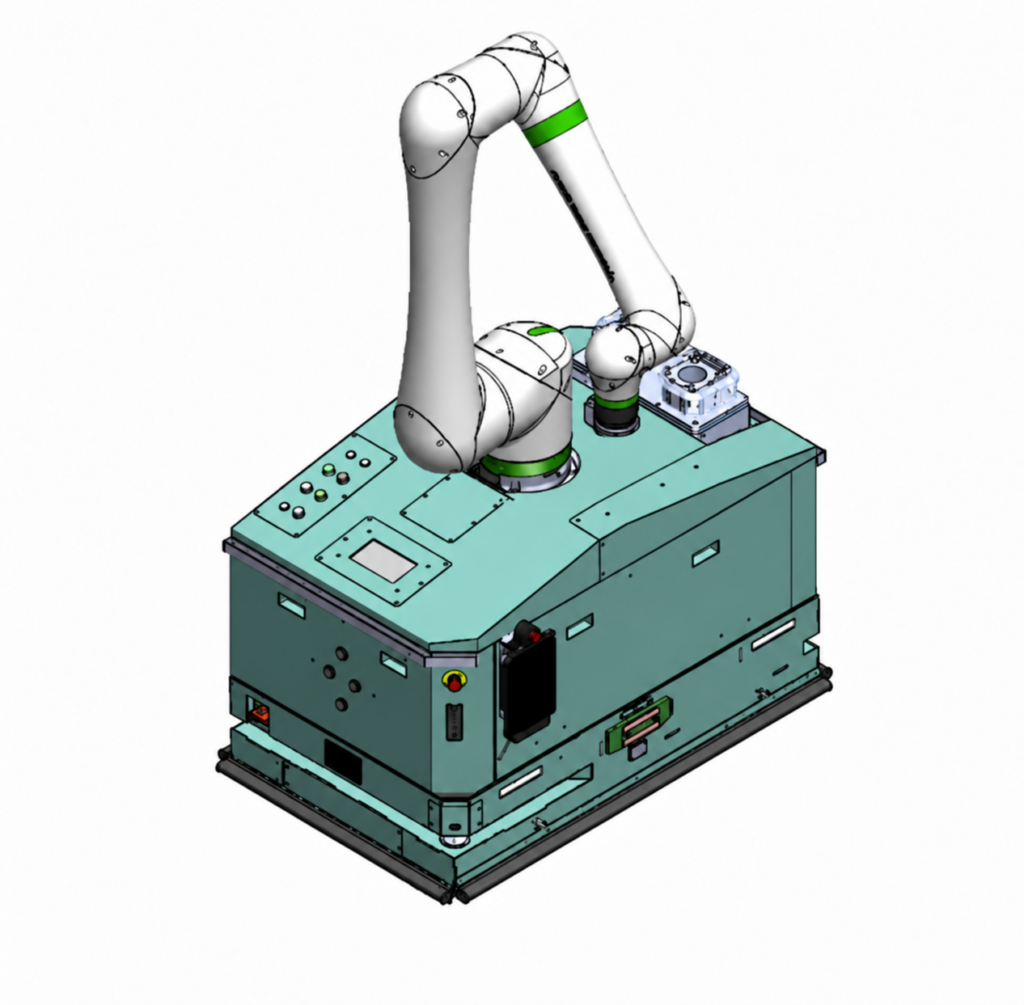
Operational Benefits: Reduced machine waiting time, more consistent material flow, less repetitive manual handling, improved workpiece positioning, and better coordination between machining operations.
Want to learn more? ? Submit your inquiry via our Contact Form, and our team will get in touch to assist you.
Author: Shree Jadhav l Dr Yeong Che Fai
Editor: Shalani Krishnan
DF Automation & Robotics is one of the leading robotics companies in Southeast Asia, specializing in the design and manufacture of Autonomous Mobile Robots (AMRs) for the global automation and robotics industry. The company’s success is driven by its two proprietary AMR software solutions – NavWiz and DFleet – which are utilized across multiple industries. NavWiz serves as the cognitive engine for the robots, enabling seamless autonomous navigation, while DFleet facilitates efficient fleet management and optimizes traffic control in factory environments.
With over 500 robots deployed worldwide, DF Automation & Robotics has successfully expanded its solutions to countries such as Malaysia, Singapore, Thailand, India, Mexico, and various European nations. Visit www.dfautomation.com to learn more.